
Kamakura bori /鎌倉彫
- Yuki Dobo

- Mar 29, 2020
- 1 min read
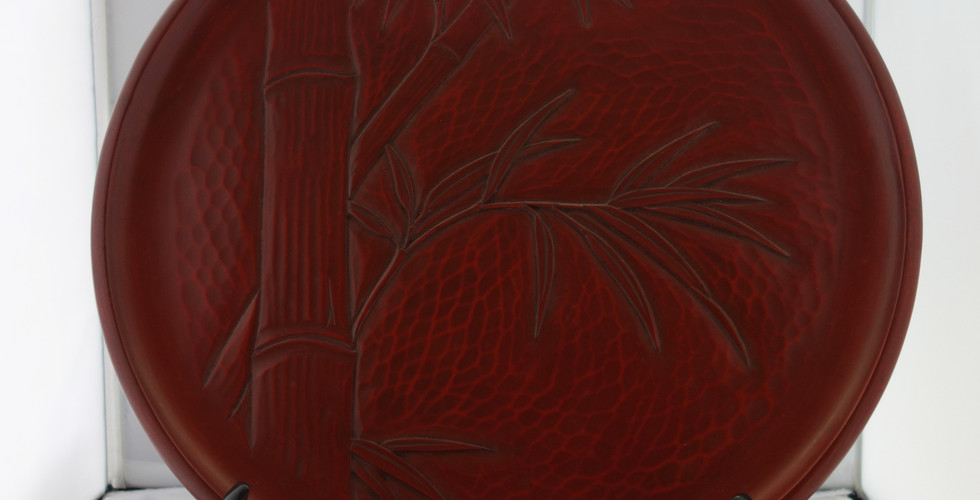
Kamakura-bori is a type of lacquer ware made in the area around the city of Kamakura in Kanagawa prefecture. The tradition dates back to the Kamakura period when Tsuishu and Tsuikoku, thickly lacquered wooden wares, were imported from China alongside other artistic crafts. The style of the imported wares was later incorporated with Japanese arts and traditional patterns and Kamakura-bori was born. Initially, Kamakura-bori techniques were mainly applied to Buddhist statues and altar items. Under the influence of Chinese handicraft work, sculptors of Buddhist ritual implements and temple carpenters started to carve Japanese Judas tree or ginkgo into wooden wares and applied a lacquer finish to pieces that were given the name Kamakura-bori. Today, production has spread to include everyday goods like inkstone cases, paperweights, plates, and trays. Kamakura-bori features chisel markings left intentionally to accentuate patterned areas. Another unique technique is to sprinkle black powder on a vermilion lacquered surface, in order for the patterns to stand out from the darkened background. The carving and lacquering techniques of Kamakura-bori have evolved for the past 800 years. Even today, Kamakura constantly attracts visitors looking for that perfect lacquer ware that will add enhancement to daily life.
Please visit my Etsy.com shop.



Comments